



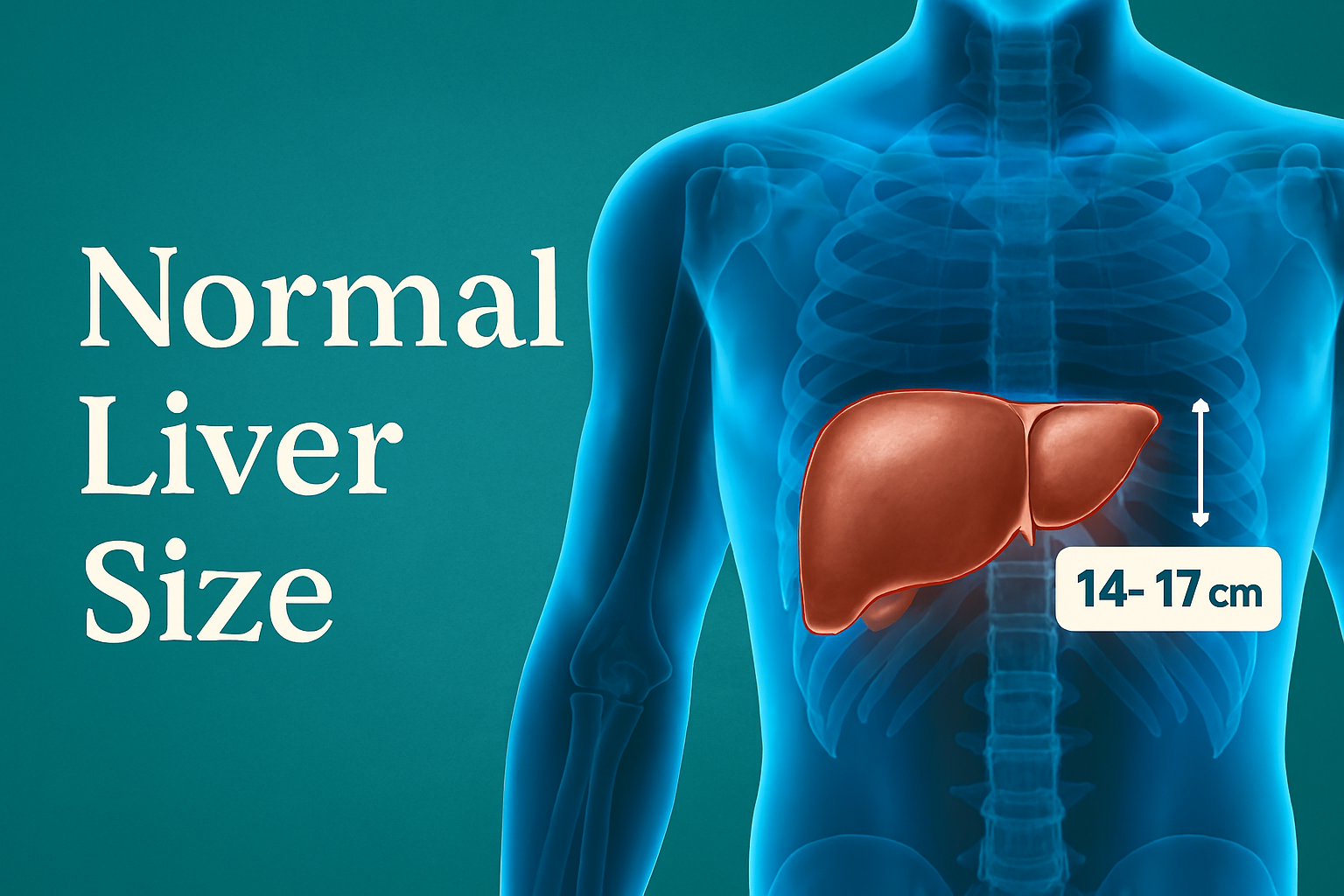
Normal Liver Size
The liver is the body’s largest internal organ, playing a vital role in detoxification, metabolism, and immune regulation. Understanding normal liver size is essential for diagnosing liver conditions early and maintaining overall health.
What Is the Normal Liver Size in Adults?
In healthy adults, the normal liver size typically measures:
-
Length: About 14–17 cm (5.5–6.7 inches) along the right midclavicular line
-
Weight: Roughly 1.2 to 1.5 kilograms (2.6 to 3.3 pounds)
-
Variation: Men generally have slightly larger livers than women due to body mass differences
These measurements can vary based on age, gender, height, and body composition. For example, taller individuals or those with higher BMI may naturally have larger livers.
Why Liver Size Matters
Monitoring normal liver size helps detect early signs of:
-
Hepatomegaly (enlarged liver): May indicate fatty liver disease, hepatitis, or heart conditions
-
Cirrhosis: Shrinking of liver tissue due to chronic damage
-
Metabolic disorders: Liver size can reflect systemic health issues
Doctors often use ultrasound to measure liver dimensions and compare them against standard reference ranges.
Liver Size by Age
Liver size changes throughout life:
| Age Group | Average Liver Length |
|---|---|
| Infants | 4.5–6.5 cm |
| Children (5–10) | 6.5–10 cm |
| Adolescents | 12–14 cm |
| Adults | 14–17 cm |
These values help pediatricians and hepatologists distinguish between normal growth and pathological enlargement.
How Is Liver Size Measured?
Doctors use:
-
Ultrasound: Most common and non-invasive
-
CT/MRI scans: For detailed imaging
-
Palpation: In cases of significant enlargement
Measurements are typically taken along the midclavicular line, an imaginary vertical line from the middle of the collarbone.
Factors That Affect Liver Size
-
Alcohol consumption
-
Obesity and metabolic syndrome
-
Viral infections (e.g., hepatitis B/C)
-
Medications and toxins
Maintaining a healthy lifestyle and regular checkups can help preserve normal liver size and function.
Final Thoughts
Knowing your normal liver size is more than a diagnostic metric—it’s a window into your overall health. Regular monitoring, especially if you’re at risk for liver disease, can lead to early intervention and better outcomes.