


The Meaning of Ayurveda
Introduction
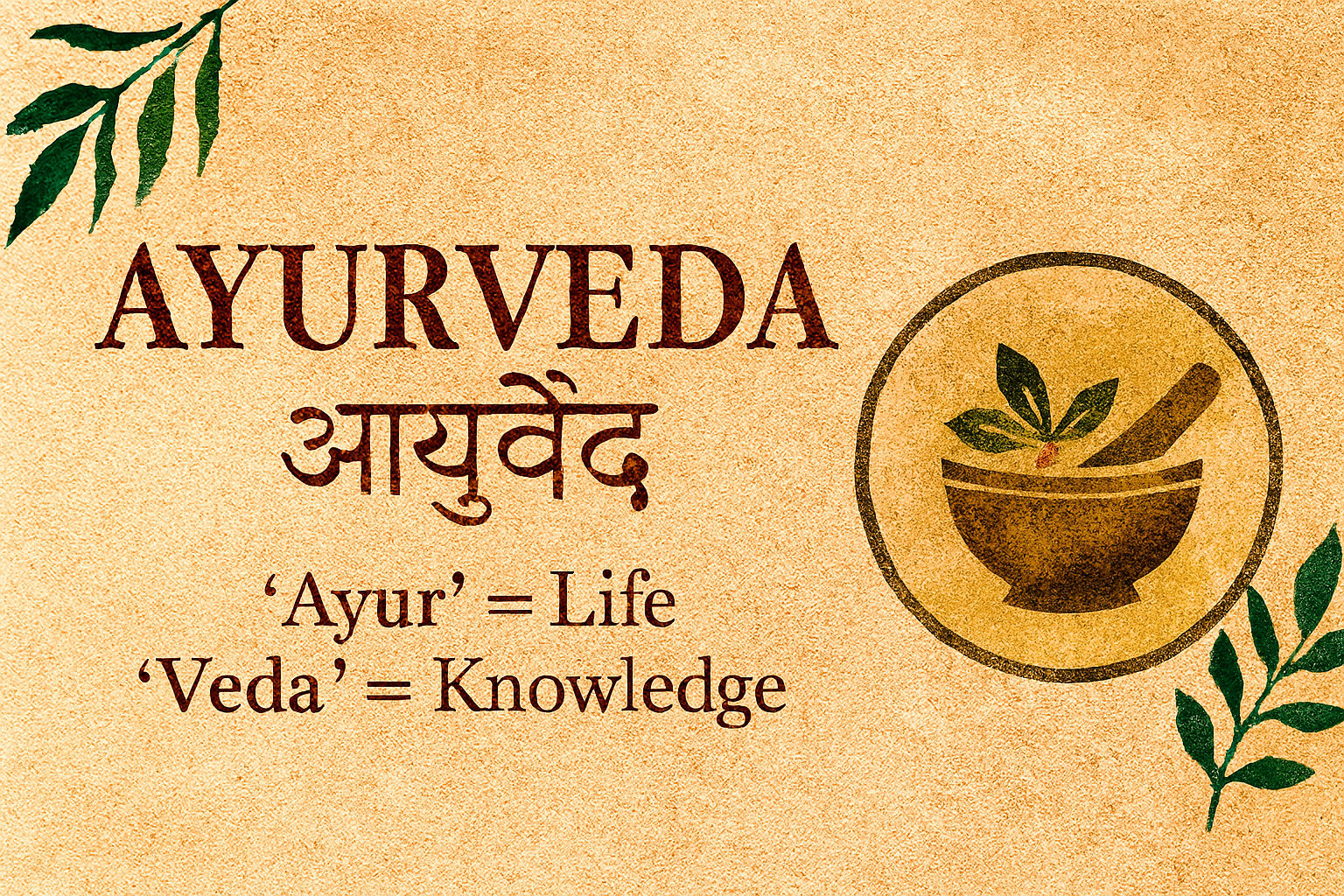
Ayurveda, often described as the “Science of Life”, is one of the world’s oldest holistic healing systems. Rooted in India over 5,000 years ago, it continues to guide millions toward balance, vitality, and longevity. The word itself comes from Sanskrit: “Ayur” meaning life and “Veda” meaning knowledge or science. Together, Ayurveda translates to “knowledge of life” — a philosophy that teaches us how to live in harmony with nature, our bodies, and our minds.
In today’s fast-paced world, Ayurveda offers timeless wisdom that feels more relevant than ever. It is not just a medical system but a complete lifestyle framework that emphasizes prevention, balance, and self-awareness.
The Essence of Ayurveda
Ayurveda views health as a dynamic balance between body, mind, spirit, and environment. Unlike modern medicine, which often focuses on symptoms, Ayurveda seeks to identify and correct the root cause of imbalance.
-
Ayur = Life → Encompassing body, senses, mind, and soul.
-
Veda = Knowledge → Wisdom passed down through scriptures and oral tradition.
Thus, Ayurveda is not merely about curing disease; it is about living consciously. It teaches us how to eat, sleep, work, and interact with the world in ways that sustain health and happiness.
The Core Philosophy of Ayurveda
Ayurveda is built on several foundational concepts that explain how life functions and how imbalance leads to disease.
1. The Doshas
The three doshas — Vata, Pitta, and Kapha — are biological energies derived from the five elements (earth, water, fire, air, and ether).
-
Vata (Air + Ether): Governs movement, creativity, and communication.
-
Pitta (Fire + Water): Governs metabolism, digestion, and transformation.
-
Kapha (Earth + Water): Governs structure, stability, and immunity.
Each person has a unique constitution (Prakriti) defined by their dosha balance. Health is maintained when doshas are in equilibrium; illness arises when they are disturbed.
2. Agni (Digestive Fire)
Agni is the metabolic fire responsible for digestion, absorption, and assimilation. Strong Agni means good health, while weak Agni leads to toxins (Ama) and disease.
3. Ojas (Vital Energy)
Ojas is the subtle essence that sustains immunity, strength, and emotional stability. It is considered the foundation of vitality and longevity.
4. Balance with Nature
Ayurveda emphasizes living in tune with natural cycles — seasons, day and night rhythms, and life stages. This alignment ensures harmony between the individual and the environment.
Practices in Ayurveda
Ayurveda offers practical tools to maintain balance and prevent disease.
-
Diet & Nutrition: Eating according to your dosha and the season. For example, cooling foods in summer for Pitta, warming foods in winter for Vata.
-
Herbal Medicine: Using plants like Ashwagandha for stress, Triphala for digestion, and Brahmi for focus.
-
Daily Routines (Dinacharya): Practices such as oil pulling, tongue scraping, meditation, and yoga.
-
Detoxification (Panchakarma): Cleansing therapies to eliminate toxins and restore balance.
-
Mind-Body Practices: Meditation, pranayama (breathwork), and yoga integrated with Ayurvedic principles.
Ayurveda in the Modern World
Ayurveda is no longer confined to India. It has gained global recognition as people seek natural, preventive, and holistic approaches to health.
-
Wellness Tourism: Ayurvedic retreats in Kerala and Sri Lanka attract visitors worldwide.
-
Skincare & Beauty: Ayurvedic oils, herbal creams, and natural remedies are trending in global beauty markets.
-
Nutrition: Ayurvedic superfoods like turmeric, moringa, and Triphala are now staples in health-conscious diets.
-
Recognition: The World Health Organization (WHO) acknowledges Ayurveda as a traditional medical system.
Ayurveda’s integration into modern wellness industries shows its adaptability and timeless relevance.
Ayurveda vs. Modern Medicine
While modern medicine excels at acute care and surgery, Ayurveda shines in preventive health and chronic conditions. It emphasizes lifestyle, diet, and mental well-being — areas often overlooked in conventional healthcare.
-
Modern Medicine: Symptom-focused, technology-driven, often reactive.
-
Ayurveda: Root-cause focused, nature-driven, preventive and holistic.
Together, they can complement each other, offering a more complete approach to health.
Why Ayurveda Matters Today
In an age of stress, pollution, and lifestyle diseases, Ayurveda provides a roadmap for resilience. Its emphasis on balance, mindfulness, and natural living makes it a powerful antidote to modern challenges.
-
Rising cases of obesity, diabetes, and anxiety highlight the need for preventive systems like Ayurveda.
-
Ayurveda encourages personalized health, recognizing that each body is unique.
-
It empowers individuals to take charge of their well-being through self-awareness and daily practices.
Conclusion
The meaning of Ayurveda goes far beyond its literal translation. It is a philosophy of living, a science of balance, and a guide to longevity. By understanding our unique constitution, aligning with nature, and practicing mindful routines, we can unlock the full potential of health and happiness.